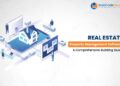
Embark on a journey through the realm of apartment property management, where the intricate balance of responsibilities and relationships shapes the landscape of real estate. From the importance of effective management to the nuances of tenant communication, this guide delves into the core of overseeing apartment complexes.
Exploring the dynamic world of apartment property management unveils a tapestry of tasks, challenges, and strategies that contribute to the success of residential properties.
Importance of Apartment Property Management
Apartment property management plays a crucial role in maintaining the overall quality and functionality of apartment buildings. Effective property management not only ensures a pleasant living experience for tenants but also enhances the value of the property itself.
Tasks Involved in Apartment Property Management
- Regular Maintenance: This includes tasks such as repairing leaky faucets, fixing faulty electrical systems, and ensuring the cleanliness of common areas.
- Tenant Relations: Property managers are responsible for addressing tenant concerns, handling complaints, and ensuring a positive relationship between tenants and the management.
- Lease Management: Managing leases, collecting rent, and enforcing lease agreements are essential tasks to ensure smooth operations within the building.
- Marketing and Vacancy Management: Property managers are involved in advertising vacant units, screening potential tenants, and ensuring a low vacancy rate to maximize revenue.
Responsibilities of Apartment Property Managers
Apartment property managers play a crucial role in ensuring the smooth operation of residential complexes and providing a comfortable living environment for tenants. Their responsibilities range from overseeing maintenance and repairs to handling tenant concerns and enforcing lease agreements.
Duties of Apartment Property Managers
Apartment property managers are responsible for a wide range of tasks, including but not limited to:
- Collecting rent payments and ensuring timely payments from tenants.
- Coordinating maintenance and repairs for units and common areas.
- Screening potential tenants and handling the leasing process.
- Enforcing lease agreements and resolving disputes between tenants.
- Managing budgets and financial records for the property.
- Maintaining a safe and clean environment for all residents.
Comparison: Small vs. Large Apartment Complexes
Property managers for small apartment complexes may have more hands-on involvement in daily operations, such as personally handling maintenance requests and interacting directly with tenants. In contrast, property managers for large apartment complexes may oversee a team of staff members and focus more on strategic planning and budget management.
Handling Tenant Concerns and Requests
When it comes to addressing tenant concerns and requests, property managers must prioritize effective communication and timely resolution. This involves:
- Listening to tenant feedback and addressing issues promptly.
- Coordinating with maintenance staff to resolve maintenance requests efficiently.
- Ensuring that tenant rights are respected and lease agreements are upheld.
- Providing a point of contact for tenants to voice their concerns and seek assistance.
- Maintaining a positive relationship with tenants to foster a sense of community and satisfaction.
Tenant Relations and Communication
Effective communication and positive tenant relationships are crucial for successful apartment property management. By fostering a good rapport with tenants and utilizing communication tools, property managers can prevent and resolve conflicts efficiently.
Strategies for Fostering Positive Relationships with Tenants
- Regularly communicate important information such as maintenance schedules, community events, and policy updates.
- Show empathy and understanding towards tenant concerns and feedback.
- Organize social events or gatherings to promote a sense of community among tenants.
- Address issues promptly and professionally to build trust and credibility.
Effective Communication to Prevent and Resolve Conflicts
- Establish clear guidelines and expectations regarding rules, responsibilities, and communication channels.
- Encourage an open-door policy where tenants feel comfortable approaching property managers with their concerns.
- Utilize written communication such as newsletters, emails, and notices to ensure important information reaches all tenants.
- Implement regular surveys or feedback forms to gather tenant opinions and suggestions for improvement.
Examples of Communication Tools Used by Property Managers
- Online tenant portals for easy access to rent payment, maintenance requests, and announcements.
- Social media platforms to engage with tenants, share updates, and address queries.
- Regular newsletters or email updates to keep tenants informed about community news and events.
- Community bulletin boards for posting notices, announcements, and important information.
Maintenance and Repairs
Regular maintenance in apartment complexes is crucial to ensure the safety, functionality, and aesthetic appeal of the property. By staying on top of maintenance tasks, property managers can prevent minor issues from escalating into major problems, ultimately saving time and money in the long run.
Common Maintenance Issues and Solutions
- Leaky faucets and pipes: These issues can lead to water damage and mold growth. Property managers should promptly address leaks and replace any damaged fixtures to prevent further damage.
- Appliance malfunctions: Regular maintenance checks can help identify faulty appliances before they completely break down. Property managers should schedule routine inspections and address any issues promptly.
- HVAC system problems: Heating and cooling systems need regular maintenance to ensure optimal performance. Property managers should change filters, clean ducts, and schedule professional inspections to prevent breakdowns.
- Paint and flooring wear and tear: High-traffic areas in apartments are prone to paint chipping and flooring damage. Property managers should schedule periodic touch-ups and repairs to maintain the property's overall appearance.
Taking a proactive approach to maintenance can help property managers avoid costly repairs and keep tenants satisfied with their living conditions.
Tips for Efficient Repair Management
- Establish a clear communication channel for repair requests: Encourage tenants to report issues promptly through a designated platform or contact method.
- Prioritize repair requests based on urgency: Address emergency repairs, such as plumbing leaks or electrical issues, immediately, and schedule non-urgent repairs accordingly.
- Work with reliable contractors: Build a network of trusted contractors who can respond quickly to repair requests and provide quality workmanship.
- Follow up with tenants after repairs: Ensure that tenants are satisfied with the repairs and address any lingering issues promptly to maintain positive tenant relations.
Concluding Remarks
In conclusion, apartment property management is a multifaceted endeavor that requires a blend of organization, communication, and foresight. By mastering the art of managing properties, one can navigate the complexities of real estate with finesse and efficiency.
FAQ Summary
What are some common tasks involved in apartment property management?
Tasks may include rent collection, property maintenance, tenant screening, lease agreements, and handling tenant concerns.
How do property managers handle tenant concerns and requests?
Property managers address tenant concerns promptly, maintain open communication, and ensure timely resolution of issues to foster positive tenant relations.
What are some strategies for fostering positive relationships with tenants?
Strategies may include regular communication, addressing concerns promptly, organizing community events, and showing genuine care for tenants' well-being.