Embark on a journey to discover the art of managing fleet maintenance budgets wisely. From understanding the key components to implementing cost-effective practices, this guide will equip you with essential knowledge to optimize your budget effectively.
Learn how to navigate the intricate world of fleet maintenance budgets with confidence and expertise.
Understanding Fleet Maintenance Budgets
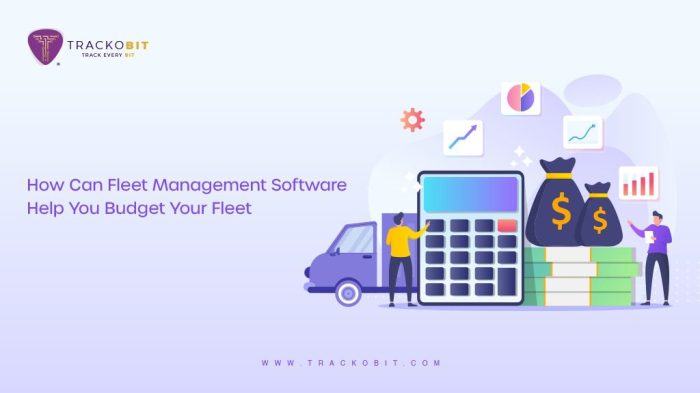
Managing a fleet maintenance budget requires a clear understanding of its components and the importance of setting realistic goals. By considering common expenses, you can effectively plan for the maintenance needs of your fleet.
Components of a Fleet Maintenance Budget
A fleet maintenance budget typically includes expenses such as:
- Cost of labor for mechanics and technicians
- Cost of parts and materials for repairs
- Cost of preventive maintenance services
- Cost of vehicle inspections and certifications
Setting Realistic Budget Goals
It is crucial to set realistic budget goals to ensure that your fleet maintenance operations remain financially sustainable. By analyzing historical data and considering the age and condition of your fleet vehicles, you can estimate future maintenance costs accurately.
Common Expenses to Consider
When budgeting for fleet maintenance, it is important to factor in expenses such as:
- Fuel costs
- Tire replacements
- Oil changes and fluid top-ups
- Brake system repairs
Effective Budget Planning
Effective budget planning is essential for managing fleet maintenance costs efficiently. By creating a comprehensive fleet maintenance budget, you can prioritize tasks based on budget constraints and ensure that preventive maintenance is included in your planning.
Creating a Comprehensive Fleet Maintenance Budget
When creating a fleet maintenance budget, it is important to consider all aspects of maintenance, including routine servicing, repairs, parts replacement, and unexpected breakdowns. By analyzing historical data on maintenance costs and vehicle performance, you can estimate future expenses more accurately.
It is also crucial to factor in inflation, fluctuations in fuel prices, and any upcoming regulatory changes that may impact maintenance costs.
- Include all maintenance costs: Ensure that your budget covers not only regular maintenance but also unexpected repairs and emergency situations.
- Utilize fleet management software: Invest in software that can help you track maintenance schedules, costs, and analyze data to make informed budgeting decisions.
- Consult with maintenance professionals: Work closely with your maintenance team to understand the specific needs of each vehicle in your fleet and tailor your budget accordingly.
Prioritizing Maintenance Tasks Based on Budget Constraints
When operating within budget constraints, it is crucial to prioritize maintenance tasks based on their urgency and impact on vehicle safety and performance. By categorizing maintenance tasks into critical, essential, and optional, you can allocate resources more effectively and ensure that critical maintenance needs are addressed first.
- Identify critical maintenance tasks: Focus on tasks that directly impact vehicle safety and compliance with regulations, such as brake inspections, tire replacements, and engine tune-ups.
- Allocate resources strategically: Distribute your budget based on the priority of each maintenance task, ensuring that critical tasks are funded adequately before moving on to essential or optional tasks.
- Regularly review and adjust priorities: Continuously monitor the performance of your fleet and adjust maintenance priorities based on changing needs, budget constraints, and emerging maintenance issues.
The Role of Preventive Maintenance in Budget Planning
Preventive maintenance plays a crucial role in budget planning by helping to reduce the frequency and cost of unexpected breakdowns and repairs
- Implement a preventive maintenance schedule: Develop a comprehensive schedule for regular maintenance tasks based on manufacturer recommendations, vehicle usage, and historical maintenance data.
- Track maintenance costs and savings: Keep detailed records of maintenance expenses and compare them to the costs of reactive maintenance to demonstrate the cost-saving benefits of preventive maintenance.
- Educate drivers on preventive maintenance: Encourage drivers to report any issues or abnormalities promptly and adhere to maintenance schedules to prevent costly repairs and downtime.
Monitoring and Tracking Expenses
Effective fleet maintenance budget management involves closely monitoring and tracking expenses to ensure financial efficiency and optimal performance. By keeping a close eye on your expenditures, you can identify areas where cost-saving opportunities exist and make informed decisions to maximize your budget allocation.
Tips for Identifying Cost-Saving Opportunities
- Regularly review maintenance records to identify recurring issues that may be costing your fleet money.
- Compare quotes from different service providers to ensure you are getting the best value for your money.
- Implement preventive maintenance strategies to reduce the likelihood of costly breakdowns and repairs.
- Train drivers and maintenance staff on best practices to minimize wear and tear on fleet vehicles.
- Consider investing in fleet management software to streamline maintenance processes and optimize resource allocation.
The Importance of Regular Budget Reviews and Adjustments
Regularly reviewing and adjusting your fleet maintenance budget is crucial to ensure that it remains aligned with your operational needs and financial goals. By analyzing your expenses on a consistent basis, you can make proactive adjustments to optimize spending and address any emerging issues before they escalate.
This ongoing monitoring and evaluation process allows you to stay agile and responsive to changing circumstances, ultimately leading to better cost control and improved overall fleet performance.
Implementing Cost-Effective Maintenance Practices

Implementing cost-effective maintenance practices is crucial for managing fleet maintenance budgets wisely. By optimizing maintenance schedules, outsourcing certain tasks, and utilizing cost-effective technologies, companies can reduce expenses while ensuring the fleet remains in top condition.
Optimizing Maintenance Schedules
Maintaining a proactive approach to maintenance scheduling can help prevent costly breakdowns and prolong the lifespan of vehicles. By conducting regular inspections and adhering to manufacturer recommendations, companies can address issues early on and avoid more significant repairs down the line.
Outsourcing Maintenance Tasks
Outsourcing certain maintenance tasks, such as specialized repairs or routine inspections, can be a cost-effective solution. By working with trusted third-party providers, companies can benefit from their expertise and resources without the need for additional in-house staff or equipment.
Cost-Effective Maintenance Technologies
Utilizing advanced technologies like fleet management software, predictive maintenance tools, and telematics systems can streamline maintenance processes and reduce costs. These solutions can help track vehicle performance, identify maintenance needs, and optimize scheduling for maximum efficiency.
Final Conclusion
In conclusion, mastering the art of managing fleet maintenance budgets wisely is crucial for the success and efficiency of your operations. By following the strategies Artikeld in this guide, you can ensure that your budget works for you, not against you.
FAQ Insights
How can I set realistic budget goals for fleet maintenance?
Begin by analyzing past expenses, considering unforeseen costs, and factoring in industry benchmarks to set achievable budget goals.
What are some cost-saving opportunities within a fleet maintenance budget?
Regular maintenance inspections, proactive repairs, and efficient resource allocation can all contribute to significant cost savings.
Is outsourcing maintenance tasks a viable cost-saving option?
Outsourcing certain maintenance tasks to specialized service providers can often result in cost savings due to their expertise and efficiency.